Hidden garden maintenance costs in Hillingdon: what to know
If you have ever looked at a tidy garden and thought, "That can't cost much to maintain," you're not alone. The trouble is, the visible work is only part of the story. When people ask about hidden garden maintenance costs in Hillingdon what to know, they usually mean the things that quietly push a simple job into a bigger bill: waste removal, access issues, repeat visits, seasonal growth surges, and the occasional repair you did not see coming.
In Hillingdon, where gardens range from compact town plots to larger suburban spaces with hedges, patios, lawns, and mature planting, those extra costs can creep in fast. This guide breaks down where they come from, how to spot them early, and how to plan sensibly so you stay in control. No fluff, no scare tactics - just the practical stuff that saves money and hassle.
Why hidden garden maintenance costs in Hillingdon what to know matters
Garden upkeep is easy to underestimate because the first quote often focuses on the obvious tasks. A lawn mow, hedge trim, weed clear-up, or patio sweep looks straightforward on paper. But gardens are living spaces. They change with the weather, with the seasons, and sometimes with neglect. One wet spell and suddenly the job takes longer; one overgrown hedge and the whole afternoon shifts.
That matters in Hillingdon because local gardens often have mixed surfaces and mixed demands. A small front garden may need regular trimming, while a rear garden might hide ivy, moss, uneven lawn edges, and tired beds that need more than a simple tidy. If you only budget for the "headline" task, the extras can sting. Quite a lot, actually.
There is another reason this topic matters: hidden costs affect decision-making. When you compare providers, the cheapest quote can look attractive until you realise it excludes waste removal, disposal of green waste, specialist labour, or access-related time. That is where a clear breakdown becomes useful. It helps you compare like for like, not apples with pears.
For readers wanting to reduce ongoing spend, it can also help to think in terms of garden design and maintenance together. For example, a few well-chosen ground cover plants suited to UK gardens can lower weed pressure over time. Likewise, a more intentional layout can reduce how often you need intensive tidying. Small choices now, less pain later.
How hidden garden maintenance costs in Hillingdon what to know works
Hidden costs usually arise when the real condition of the garden only becomes clear after work begins. On a quote visit, a garden can look manageable. Once the job starts, the team may find compacted soil, fly-tipped waste, root invasion, unsafe steps, damaged fencing, or growth that is thicker than it appeared from the gate. That does not mean anyone is being awkward; it simply means gardens hold surprises.
The most common pattern is this: a base price covers standard labour, then extra work is added for anything beyond normal maintenance. The key is whether those extras are explained clearly in advance. A good provider will tell you what is included, what is not, and what could change the cost if the site is more demanding than expected. If that feels refreshingly plain-English, it should.
In practical terms, hidden costs can fall into a few buckets:
- Waste and disposal: bags, loading time, and tipping charges for green waste or mixed garden waste.
- Overgrowth: extra labour for tall hedges, thick ivy, bramble patches, or neglected borders.
- Access issues: narrow side passages, long carries, limited parking, or difficult entry points.
- Seasonal intensity: spring and summer growth often creates more work than a winter tidy.
- Repair and make-good work: loose slabs, broken edging, damaged fences, or worn lawn areas.
- Specialist tasks: tree work, hedge reductions, pressure cleaning, and deep weed control may need separate planning.
If your garden has ivy on walls or fences, that can be another hidden cost multiplier. Left unchecked, it can creep into joints, block light, and create a bigger removal job than expected. For that kind of problem, it helps to understand the scale before you book anything; our article on tackling ivy problems is a useful companion read.
And if your garden has decking, patios, or older paths, there may be a maintenance chain reaction: moss makes surfaces slippery, slipping means cleaning becomes urgent, and urgent work is rarely the cheapest work. That is just how gardens behave - a bit like they have their own agenda.
Key benefits and practical advantages
Understanding hidden garden maintenance costs is not just about avoiding surprises. It gives you leverage. You can ask better questions, budget more accurately, and choose maintenance that genuinely suits your property rather than reacting to problems as they appear.
- More accurate budgeting: you can plan for the real annual cost of keeping the garden in shape, not just the first visit.
- Better quote comparisons: you can judge whether a price is genuinely competitive or simply incomplete.
- Fewer urgent call-outs: regular care often reduces the need for bigger, less predictable jobs.
- Long-term savings: prevention is usually cheaper than rescue work, especially with hedges, lawns, and weeds.
- Improved garden health: consistent maintenance stops small issues becoming structural or horticultural problems.
- Less stress: knowing what could happen next removes a lot of the "why is this suddenly more expensive?" feeling.
There is also a comfort factor. A well-maintained garden is easier to enjoy. You notice the smell of cut grass after a trim, the cleaner lines along a border, the simple relief of not fighting nettles every weekend. That matters if you actually want to use the garden, not just look at it through the window.
For people trying to keep costs down, a low-maintenance approach can be a real help. If that sounds appealing, see how to keep gardening low-maintenance on a budget. It is one of the most practical ways to reduce hidden spend without making the space dull.
Who this is for and when it makes sense
This topic is relevant to far more people than first-time homeowners. In Hillingdon, it comes up for busy families, landlords, older residents, commuters with little free time, and anyone who has inherited a garden that is a bit more ambitious than expected. Truth be told, it also applies to people who enjoy gardening but do not want the whole Saturday swallowed by it.
You should pay close attention to hidden maintenance costs if:
- your garden has not been professionally maintained for a while;
- you have a hedge boundary, mature shrubs, or fast-growing climbers;
- your outdoor space includes patios, decking, or multiple levels;
- you need regular mowing but also seasonal work;
- you are comparing fixed-price quotes from different providers;
- you want to avoid a situation where one small task turns into several billable extras.
It also makes sense if you are planning a larger project, because maintenance and landscaping are joined at the hip more often than people expect. A new layout may look elegant in May, but if it is hard to access, hard to weed, and hard to clear, the future upkeep can cost more than you imagined. That is why early planning matters.
If you are looking at bigger improvements as part of the same conversation, it may help to review broader services too, such as general gardening services or landscaping support, especially when the garden needs more than routine tidying.
Step-by-step guidance
If you want to avoid hidden costs, do not start with the price alone. Start with clarity. That simple shift saves headaches later.
- Walk the garden slowly before asking for a quote. Look for overgrowth, dumped waste, broken edges, mossy paths, awkward access, and anything likely to require extra labour.
- List the jobs you actually need. Separate lawn mowing, hedge trimming, weeding, patio cleaning, leaf clearance, and waste removal. One vague request is where misunderstandings grow.
- Ask what the base price includes. Does it cover labour only, or labour plus disposal? Are green waste bags included? What about loading time?
- Ask what could change the price. This is the bit people often skip. It should cover access, volume of waste, height of growth, and specialist equipment needs.
- Check whether the job is one-off or recurring. Regular maintenance is usually easier to price because the garden stays in a more predictable state.
- Get everything written down. Even a short email is better than memory, especially when the garden looks different after a week of rain.
- Review the result after the first visit. If the quote was fair and the work was efficient, you will know whether to book ongoing maintenance or adjust the scope.
A useful habit is to treat the first job as a fact-finding mission. In our experience, the first visit tells you more about a garden than three quick phone calls ever will. You might discover that the real issue is not the lawn at all; it is the hedges, or the buildup along fences, or the way the patio traps debris after heavy showers. Gardens like to reveal themselves in stages.
If disposal is likely to be a major part of the work, it is worth reading how garden waste can be turned into useful material. It helps explain why waste handling matters so much in the final bill.
Expert tips for better results
Here is the short version: the more specific you are, the fewer surprises you will get. But there are a few other habits that make a real difference.
- Schedule maintenance before everything grows out of hand. Waiting until the hedge is unmanageable almost always increases cost.
- Keep pathways and access points clear. A clear route saves time, and time is money in garden work.
- Use the right maintenance frequency. Weekly mowing, monthly weeding, or seasonal hedge work all behave differently in cost terms.
- Match planting to the space. Dense planting can look beautiful, but if it creates constant pruning work, you may feel the cost later.
- Ask for maintenance advice, not just a task. A decent provider will tell you what is likely to save money next month, not just what needs cutting today.
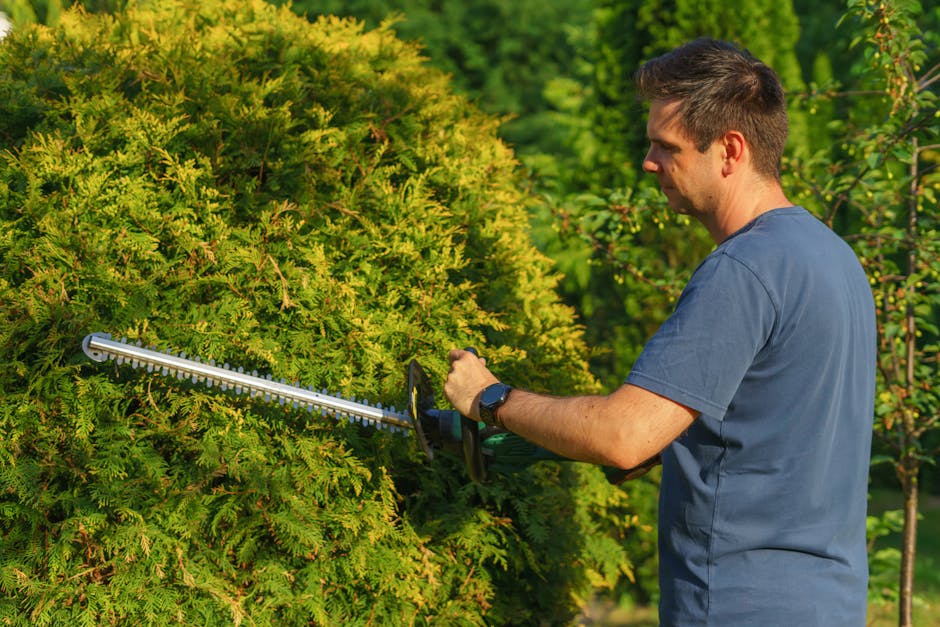
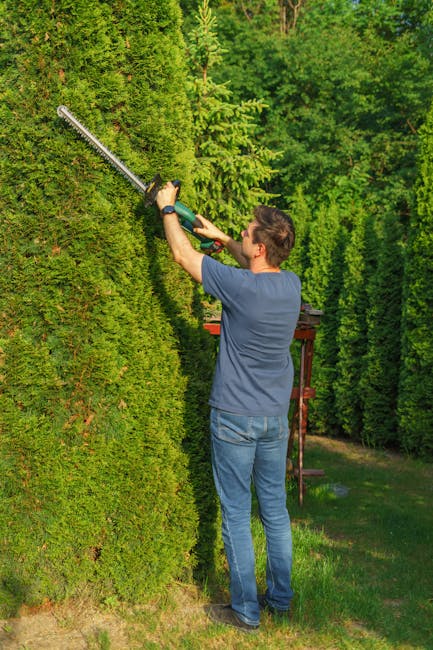
One practical example: if a lawn stays damp and shaded, it may need different care from a sunny front strip. That can affect mowing frequency, moss treatment, and edging work. Similarly, hedge maintenance is rarely just "trim it once." Depending on species and season, it can need shaping, reduction, clearance, and sometimes follow-up visits. If hedges are a major feature of your garden, it is worth looking at hedge trimming in Hillingdon as part of a regular plan rather than a one-off panic job.
Another thing: keep an eye on weather patterns. A windy week can blow debris across patios, while a mild spell after frost can trigger a burst of growth. If you want to understand the seasonal side of planning, garden protection against severe weather is worth a look.
Common mistakes to avoid
The most expensive garden mistakes are usually not dramatic. They are small assumptions repeated too many times.
- Assuming every quote is inclusive. Not every price includes waste removal, extra labour, or specialist tools.
- Ignoring access issues. A side gate, narrow passage, or long carry from van to garden can change how a job is priced.
- Letting maintenance drift. Once work becomes restorative rather than routine, costs rise quickly.
- Choosing purely on headline price. The cheapest quote is not always the best value if it leaves out half the job.
- Overlooking small hazards. Uneven paving, broken fencing, or unstable steps can add risk and delay.
- Not checking what "tidy" means. For one person it means mowing and a sweep; for another it means edging, weeding, clipping, and disposal.
There is a slightly awkward truth here: gardens are easy to neglect because the consequences build quietly. A few weeks pass, the weeds get taller, the hedge leans out, and the bill is never quite as "simple" as expected. Happens to the best of us.
If you want a more structured way to keep things under control, the guide on essential weed control tips can help reduce repeat work, which is one of the sneakiest cost drivers of all.
Tools, resources and recommendations
You do not need a shed full of gear to manage hidden costs, but the right tools and a few sensible resources make planning easier. The point is not to turn you into a professional gardener. It is simply to help you spot work accurately and keep your garden in better shape between visits.
Useful tools include:
- a sturdy rake for leaf and debris collection;
- loppers or secateurs for small cutting tasks;
- a basic measuring tape for estimating hedge lengths, borders, and lawn sizes;
- gloves with decent grip;
- garden waste bags or bins for clear separation of debris;
- a notepad or phone notes list to record what needs doing and when.
For those who prefer to understand the practical side of equipment, the essentials every gardener tends to rely on is a very sensible read. And if your garden is part of a lifestyle adjustment - maybe you are trying to reduce upkeep or make better use of the space - the piece on vertical gardening for smaller spaces is a smart place to start.
Recommendations for Hillingdon homeowners and tenants:
- keep a simple seasonal maintenance calendar;
- photograph problem areas before quoting or booking;
- separate routine work from one-off problem jobs;
- consider regular visits if the garden grows quickly in spring and early summer;
- ask for a clear explanation of disposal and extra labour charges.
If you ever need to compare service options, the page on pricing and quotes is the sort of resource that can help you ask sharper questions, especially when you want a fair comparison rather than a vague estimate.
Law, compliance and best practice
This is not the place for dramatic legal claims, because garden maintenance is usually a practical, site-specific matter. Still, there are a few UK best-practice points worth keeping in mind.
First, any work involving ladders, cutting equipment, trees, or heavier lifting should be approached with proper care. Reputable providers should have a clear approach to safety, risk control, and public liability cover where appropriate. That matters whether they are trimming a hedge close to a footpath or clearing heavy waste from a rear garden with awkward access.
Second, waste handling should be sensible and lawful. Mixed garden waste, green waste, and bulky material may need different handling approaches. Do not assume everything is just "thrown away." Good practice is to separate, load, transport, and dispose of waste responsibly, and to explain those costs clearly if they are included in your quote.
Third, if work may affect neighbours - for example, boundary hedges, shared access, or noisy machinery - it is good manners and good practice to plan it properly. Hillingdon properties can be close together, and a bit of consideration saves awkward conversations over the fence.
If safety is a major concern for your site, the page on health and safety policy is a useful sign that the provider takes risk seriously. For peace of mind around working arrangements and expectations, clear terms and conditions are also worth checking before you agree to anything.
And if a garden has storm damage, unstable features, or a tree issue that is beyond routine maintenance, specialist help may be needed. In those cases, it is better to treat the problem properly than to chip away at it with guesswork.
Options, methods, or comparison table
One of the easiest ways to avoid hidden costs is to choose the right maintenance approach from the start. Here is a simple comparison of common options.
| Maintenance approach | Best for | Typical risk of hidden costs | What to watch for |
|---|---|---|---|
| One-off tidy-up | Neglected gardens, pre-sale refreshes, seasonal resets | Higher | Waste removal, overgrowth, access, extra labour |
| Regular maintenance visits | Lawns, hedges, borders, and gardens that grow quickly | Lower | Scope creep if extras are not agreed in advance |
| Seasonal maintenance plan | Mixed gardens with spring and autumn pressure points | Medium | Storm cleanup, leaf fall, hedge cuts, and surface cleaning |
| Task-by-task booking | Owners who prefer complete control over each job | Medium to higher | Repeated call-outs and piecemeal pricing |
For many Hillingdon gardens, regular maintenance is the most predictable option. It tends to reduce the "surprise effect" because the garden never gets too far out of hand. That said, a one-off tidy-up can still be the right choice if you are starting from scratch or getting a property ready for sale or rental.
If the garden includes a lot of lawn, a dedicated lawn care approach may be more cost-effective than treating grass as just one item on a long to-do list. Likewise, if mowing is the main recurring task, a scheduled lawn mowing service can make costs far easier to predict.
Case study or real-world example
A typical Hillingdon scenario looks something like this. A homeowner books a quote for a garden tidy-up in early spring. From the front, it looks like a simple mow, a bit of hedge cutting, and a sweep of the patio. But once the work begins, the team finds a backlog of leaves in the borders, ivy along a fence line, heavier-than-expected hedge growth, and a load of green waste that needs removing.
At that point, the original idea of a small tidy-up is still valid - but the job is no longer small. The final cost rises because the task became more intensive, not because anyone changed the rules halfway through. That distinction matters. If the homeowner had asked for a fuller breakdown at the start, the quote would probably have been higher up front but much less surprising at the end.
Now, here is the useful bit: the next visit was cheaper. Why? Because the property moved onto a maintenance rhythm. The hedge was trimmed before it got out of control, the lawn was cut regularly, and the patio was cleaned before moss set in. The customer did not eliminate garden costs. Nobody does. But they made them predictable, which is honestly half the battle.
It is a good reminder that maintenance is not punishment. It is control. And in a place like Hillingdon, where gardens can be productive, decorative, family-friendly, and a bit demanding all at once, predictable upkeep is worth its weight in compost.
Practical checklist
Use this checklist before you book garden work or renew an ongoing maintenance arrangement.
- Have I listed every task that needs doing, not just the obvious one?
- Do I know whether waste removal is included?
- Are there any access problems that might add time or labour?
- Is the garden overgrown enough to count as restorative work rather than routine maintenance?
- Do hedges, ivy, trees, patios, or decking need specialist attention?
- Am I comparing like-for-like quotes?
- Would regular maintenance be cheaper and easier than repeated one-off jobs?
- Have I asked what happens if the team finds extra issues on site?
- Do I understand the provider's approach to safety, waste, and payment terms?
- Have I thought about how seasonal growth will affect the next few months?
If you can tick most of those off, you are already ahead of many homeowners. Not by luck, either - just by asking better questions.
Get a free quote today and see how much you can save.
Conclusion
Hidden garden maintenance costs in Hillingdon are usually not hidden because someone is trying to be sneaky. More often, they are hidden because gardens are variable, seasonal, and full of small practical complications that don't show up until work begins. Once you understand that, the whole process becomes much easier to manage.
The best protection is simple: know what the quote includes, ask what could change it, and choose maintenance that fits the garden you actually have, not the one you wish you had on a calm Sunday afternoon. If you do that, costs become more predictable, the garden stays healthier, and the whole thing feels less like a surprise and more like a plan. Which, let's face it, is what everyone wants.
And if the garden has been quietly asking for help for a while, that is fine too. Start where you are. A sensible first step now can save a lot of effort later, and the garden will usually thank you for it in its own quiet way.
Frequently Asked Questions
What are the most common hidden garden maintenance costs in Hillingdon?
The most common extras are waste removal, overgrown hedge or shrub work, access difficulties, and additional labour for neglected areas. Patio cleaning, ivy removal, and unexpected repairs can also add to the bill.
Why do garden quotes sometimes change after the work starts?
Quotes can change when the real condition of the garden differs from the initial impression. Thick growth, extra waste, hidden damage, or difficult access often only become clear once the job begins.
Is a one-off garden tidy-up cheaper than regular maintenance?
Not always. A one-off tidy-up may look cheaper at first, but if the garden is heavily overgrown, the labour and waste costs can climb quickly. Regular maintenance is often more predictable and may work out better over time.
Does waste removal usually cost extra?
It often can, depending on the provider and the size of the job. Some quotes include disposal; others charge it separately. Always ask so you are comparing quotes on the same basis.
How can I reduce garden maintenance costs before getting a quote?
Clear access paths, remove obvious loose waste, list the exact tasks needed, and note any problem areas such as ivy, broken fencing, or heavy moss. The more accurate the brief, the easier it is to price properly.
Are hedges one of the biggest cost drivers?
They often are, especially when they have been left too long between trims. Tall or wide hedges take more time, may need specialist equipment, and can create extra waste. If hedges are a major feature, regular cutting usually helps.
What should be included in a good garden maintenance quote?
A good quote should clearly state the tasks included, any exclusions, how waste is handled, and what could trigger extra charges. It should be specific enough that both sides know what to expect.
Can weather affect garden maintenance pricing?
Yes. Wet weather, storm damage, frozen ground, or rapid seasonal growth can all make work slower or more complex. Weather does not always change the price, but it can affect the amount of work needed.
Is it better to bundle lawn mowing with other services?
Sometimes, yes. Bundling mowing with edging, weeding, or general tidying can make maintenance easier to manage and may reduce repeated call-out costs. It depends on the garden and how often it needs attention.
How do I know if a quote is too cheap to be realistic?
If a quote seems unusually low, check what is excluded. Very cheap prices sometimes leave out waste removal, hedge work, or extra labour. A realistic quote should explain what you are actually paying for.
Do I need specialist help for ivy, trees, or damaged fencing?
Often, yes. Ivy can be stubborn, tree work can involve safety considerations, and broken fencing may need repair rather than just trimming around it. Specialist attention can prevent larger costs later.
What is the smartest long-term approach to garden costs?
Consistency. A maintenance plan that keeps growth under control usually costs less than waiting for the garden to become a major project. A little regular care goes a long way, especially in a busy household.